So, you’re ready to build your own dental lab. That’s a fantastic move. The dental industry is changing quickly, and modern practices need partners who are built for digital workflows. This creates a massive opportunity for entrepreneurs like you. Starting a dental lab from scratch means you can create a lean, tech-forward operation from day one. But what are the actual steps? This guide breaks down everything you need to know about how to open a dental lab. We’ll walk through the entire process for building a successful dental lab business that dentists will love working with.
- Determining services
- Creating a budget
- Planning the lab space
- The cost of starting a dental lab
The dental industry is witnessing a growing demand for services like dental implants and restorative reconstructions. Consequently, dental labs face increased pressure to deliver high quality results promptly. This surge in popularity presents lucrative opportunities for those capable of providing exceptional work.
Keep in mind that this is not a venture for the faint of heart. It is a risky endeavor, as is any entrepreneurial undertaking. You may choose to seek the assistance of a professional every step of the way.
Creating Your Dental Lab Business Plan
Before you even think about equipment or staffing, you need a solid business plan. This document is your roadmap, guiding your decisions and helping you secure funding if needed. It forces you to think through every aspect of your new venture, from the services you’ll offer to how you’ll stand out in a competitive market. Starting a dental lab is a significant undertaking with inherent risks, so having a clear, well-researched plan is your first step toward building a sustainable and successful business. It’s the foundation upon which everything else will be built, ensuring you have a clear direction from day one.
Outline Your Goals and Market
First, define what your lab will do and who it will serve. Will you be a full-service lab or specialize in a specific area? Perhaps you’ll focus on high-demand products like crown and bridge restorations or complex hybrid dentures. Clearly identifying your services helps you determine your equipment needs, required skill sets, and target market. You also need to understand the local demand. Research the number of dental practices in your area and what services they currently outsource. This initial homework will help you tailor your offerings to meet a genuine need in the community, setting you up for a stronger start.
Analyze the Competition
Once you know what you want to offer, look at who is already offering it. A thorough competitive analysis is key to finding your place in the market. Identify other dental labs in your target area and examine their strengths and weaknesses. What makes your lab different or better? Maybe you’ll compete by offering faster turnaround times, superior customer service, or by embracing a fully digital workflow. Understanding what makes your business unique will shape your marketing strategy and help you communicate your value to potential clients, giving them a compelling reason to choose you over established competitors.
Determine Your Company’s Size
Your market research and competitive analysis will directly influence the ideal size of your operation. How many dental clinics and potential clients are realistically within your reach? This will help you project your initial case volume and plan for growth. Starting too big can lead to unnecessary overhead, while starting too small can limit your ability to meet demand. Think about your initial capacity and create a scalable plan. You might begin as a small, specialized lab with a handful of clients and gradually expand your team and service offerings as your reputation and client base grow.
Navigating Legal and Regulatory Requirements
With your business plan in hand, it’s time to tackle the administrative side of things. While legal and regulatory tasks might not be the most exciting part of launching your lab, they are absolutely critical. Proper compliance protects your business, your employees, and the clients you serve. Getting everything in order from the start prevents costly headaches and potential legal issues down the road. This is an area where paying close attention to detail is non-negotiable, as it ensures your lab operates on a solid, lawful foundation.
Follow Federal and Local Regulations
The dental lab industry is governed by a web of federal, state, and local regulations. It’s your responsibility to understand and adhere to all of them. These rules cover everything from workplace safety and patient data privacy to material handling and waste disposal. Start by researching the specific requirements for your state and municipality, as they can vary significantly. Staying compliant isn’t a one-time task; it requires ongoing vigilance to keep up with any changes in the law that could affect your operations.
OSHA and HIPAA Compliance
Two of the most important federal regulations you’ll encounter are OSHA and HIPAA. The Occupational Safety and Health Administration (OSHA) sets standards to ensure a safe working environment for your employees, covering things like chemical handling and equipment safety. The Health Insurance Portability and Accountability Act (HIPAA) establishes strict rules for protecting sensitive patient health information. Since your lab will handle patient data, you must have secure processes in place to maintain confidentiality and prevent data breaches. Compliance with both is essential for legal operation.
Obtain the Correct Licenses and Permits
Before you can open your doors, you need the right paperwork. This typically involves legally structuring your business, such as forming an LLC (Limited Liability Company), and registering with federal and state tax authorities. You will also need to secure various business licenses and permits required by your city and state. The specific requirements can differ based on your location, so check with your local chamber of commerce or small business administration office to get a comprehensive list of what you’ll need to operate legally.
Get Professional Advice
You don’t have to figure all of this out on your own. In fact, you shouldn’t. Engaging with an attorney and an accountant who have experience with healthcare or manufacturing businesses is a wise investment. They can provide unbiased, expert advice to ensure your business is structured correctly, your finances are in order, and you are compliant with all relevant laws. Their guidance can help you avoid common pitfalls and give you the peace of mind that comes from knowing your legal and financial foundations are secure.
Rules for Home-Based Labs
If you’re considering starting your lab from home to keep initial costs down, be aware that specific rules apply. For instance, FDA regulations often require that a home-based lab has a dedicated workspace with a separate entrance, so clients and deliveries don’t pass through your personal living areas. Zoning laws in your neighborhood may also restrict commercial operations. Before committing to this path, thoroughly research local zoning ordinances and federal guidelines to ensure your home setup is fully compliant from the start.
What Kind of Dental Lab Will You Open?
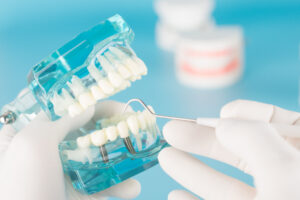
For starters, it is important to identify a niche for your dental lab and assess the demand for specific services. This can include the following:
- Crown and bridge work
- Veneers
- Occlusal appliances
- Dental sleep medicine
- Implants and removable prosthetics
- Provisionals
Despite the presence of competition in the industry, it is possible to find untapped areas where representation is lacking.
Equipping Your Lab with the Right Technology
The success of a modern dental lab is deeply tied to its technological capabilities. Outfitting your space with the right equipment isn’t just about having the latest gadgets; it’s about building a foundation for efficiency, precision, and growth. As dental practices increasingly adopt digital methods, they look for lab partners who can seamlessly integrate with their workflows. Investing in the right technology from the beginning ensures you can meet these demands and produce high-quality restorations consistently. This commitment to technology will set the standard for your lab’s operations and reputation in the industry, allowing you to stay competitive and deliver the results your clients expect.
Invest in a Digital Workflow
The dental field is moving quickly, and technology is at the forefront of this change. To build a successful lab, embracing a digital workflow is a must. This shift toward adopting digital solutions isn’t just about keeping up; it’s about fundamentally improving how you operate. A digital process streamlines everything from case submission to final fabrication, which means greater efficiency and consistently higher quality for your restorations. Dental professionals expect precision and speed, and a digital workflow allows you to deliver on both fronts, meeting the high standards of modern practices and their patients. It’s a critical investment that pays off in productivity and reputation.
Essential Digital Equipment
To build out your digital workflow, you’ll need some key pieces of modern technology. The core of this setup includes dental CAD/CAM software, 3D printers for models and surgical guides, milling machines for restorations, and high-quality desktop scanners. These tools work together to create a seamless production line. Of course, you’ll also need foundational lab equipment like furnaces for firing ceramics, air purifiers for a clean workspace, and polishing machines for finishing touches. Making these technological investments from the start positions your lab to handle a wide range of cases effectively and helps you connect your scanner and systems with dental practices that are already operating digitally.
Who’s on Your Dental Lab Team?
Building a competent team of dental lab experts is crucial. Look for individuals with expertise in your chosen field or complementary areas. Prioritize qualifications and experience related to dentistry and dental services. The diverse team with a variety of skills and backgrounds will contribute to a well rounded and efficient lab environment.
Establish a Staffing Plan
Your staffing plan is the blueprint for your team’s success. It’s not just about filling seats; it’s about strategically assembling a group of professionals who can deliver exceptional results. When building your team, look for individuals with expertise in your lab’s specialty or in areas that complement it. A mix of backgrounds and skills creates a more dynamic and capable environment. For instance, having technicians skilled in both traditional methods and modern digital workflows can make your lab more versatile. A well-rounded team ensures you can handle a variety of cases efficiently and maintain high standards of quality across all your services.
Find and Hire Skilled Technicians
Once you have a plan, the next step is finding the right technicians. Look for candidates with excellent fine motor skills and a keen eye for detail, as these are fundamental to producing high-quality restorations. A great way to assess a candidate’s practical ability is to have them perform a hands-on test, like carving a chalk model from a dental drawing. This simple exercise can reveal a lot about their craftsmanship. You can also use professional networking sites like LinkedIn to connect with experienced technicians. Finding people who are passionate about their craft is key to producing the kind of detailed work required for complex cases like crown and bridge restorations.
How Much Does It Cost to Start a Dental Lab?
Creating a budget is a significant consideration when establishing a dental lab. Expenses to consider include the following:
- Space rental or purchase
- Dental lab equipment
- Furniture
- Utilities
- Licenses
- Personnel
- Materials
Essential equipment for a dental lab comprises the following:
- Dental microscopes
- Model building tools
- Casting machines
- Dental waxing equipment
- Air purifiers for maintaining cleanliness
Develop a comprehensive plan that covers each anticipated expense to ensure preparedness and confidence in decision making. Reviewing a full dental lab price list (https://www.nextdentallab.com/full-price-list/) can also help set realistic expectations for operational costs and service offerings.
Understand Startup Costs and Funding
Starting a dental lab requires a significant financial commitment, and it’s wise to go in with a clear understanding of the capital you’ll need. This is a complex business venture, so getting guidance from financial experts or consultants who understand the dental industry can be incredibly helpful. Your initial funds will cover everything from securing a location to purchasing highly specialized equipment. To cover these startup expenses, many lab owners seek funding through small business loans, lines of credit, or by bringing on investors. A well-researched business plan with detailed financial projections is essential when you approach any potential lender or partner.
Plan for the First Year’s Finances
A detailed budget is your roadmap for the first year of operation. It’s a critical step that helps you manage your cash flow and make informed decisions. Your budget should account for all recurring and one-time expenses, including space rental or purchase, utilities, licenses, and staff salaries. You’ll also need to factor in the ongoing expense of materials for the restorations you plan to offer, whether that’s for crown and bridge work or removables. Don’t forget to include furniture for the office and lab, as well as a marketing budget to attract your first clients. Planning for these items meticulously will help prevent surprises down the road.
How to Set Your Service Fees
Determining your fee structure is one of the most challenging parts of opening a lab, as there isn’t a universal standard to follow. Your rates should be based on a careful calculation of your unique business factors. Consider the cost of all the materials you use for a specific product, how long it takes your technicians to complete the work, and your lab’s hourly operational overhead. You also need to factor in your own desired profit margin to ensure the business is sustainable and can grow. Analyzing these components will help you establish a fair and competitive fee schedule for high-quality restorations like dental implants.
Designing Your Dental Lab’s Floor Plan
Designing an appropriate floor plan layout for your dental lab is essential. Guarantee compliance with dental lab regulations to avoid additional expenses due to non compliance. Pick a space that offers sufficient size for your lab operations. Also, consider the comfort and safety of your staff. Efficient organization and functionality should be balanced with cost efficiency when incorporating dental lab benches and storage.
Incorporate Practical Design Details
Beyond just the footprint, the specifics of your layout will dictate your lab’s daily workflow and efficiency. A well-designed space separates distinct work zones to prevent cross-contamination and streamline production. For example, keep your plaster and casting areas separate from the finishing and ceramics stations. Pay close attention to ventilation and lighting, as these are critical for both team safety and the quality of your restorations. Smart placement of ergonomic benches and ample storage will keep your workspace organized and functional. A modern lab also needs a dedicated, clean area to process digital scans, protecting sensitive equipment from the dust and debris of traditional lab work. Thoughtful design isn’t an extra—it’s fundamental to creating a safe, productive, and high-quality dental lab.
Breaking Down Your Startup Expenses
While the cost of setting up a dental lab can vary, here is a very general breakdown of some potential expenses.
Estimated startup expenses:
- Office setup: $20,000
- Lab setup: $30,000
- Rent: $2,000 per month
- Insurance: $2,000
- Brochures: $1,000
- Stationery and supplies: $300
- Legal fees: $1,000
- Equipment: $20,000
Total estimated startup expenses: $76,300
Estimated startup assets:
- Startup inventory: $10,000
- Cash required: $71,700
- Various current assets: $12,000
- Long term assets: $80,000
Total estimated assets: $173,700
Total estimated requirements: $250,000
Keep in mind that these figures serve as a general guide and costs can vary depending on location and other specific requirements. It is important to conduct thorough research and planning to ensure a successful and financially viable dental lab venture.
Starting a dental lab requires careful planning, budgeting, and assembling a competent team. By addressing the critical considerations above and following a systematic approach, you may be able to establish a successful dental lab that meets the demands of the growing dental industry. If you need guidance on next steps, you can contact our dental lab or register your dental practice to get started.
Establishing Your Lab’s Operations
Once you have a plan for your space, team, and finances, it’s time to focus on the day-to-day. Creating solid operational systems from the start is what separates a fledgling lab from one that’s built to last. Smooth operations ensure that every case moves through your lab efficiently, from the moment it arrives to the moment it’s shipped back to the dental practice. This isn’t just about being organized; it’s about building a reputation for reliability and excellence. Your internal processes directly impact the quality of your work and the satisfaction of your clients, so getting them right is a top priority. Think of this as building the engine of your business—it needs to be powerful, efficient, and dependable.
Implement Quality Control
Your lab’s reputation will be built on the quality of your work. Implementing strict quality control measures is non-negotiable. A great way to do this is by establishing Key Performance Indicators (KPIs) to track your performance. These are simply metrics that help you measure what matters, such as turnaround times, remake rates, and case consistency. By monitoring these numbers, you can spot potential issues before they become major problems and ensure every restoration that leaves your lab meets the highest standards. Embracing a digital workflow can also significantly improve accuracy and consistency, making it easier to deliver predictable, high-quality results for every case.
Manage Your Supply Chain
You can have the most talented technicians in the world, but without reliable materials, you can’t produce quality work. That’s why managing your supply chain is so critical. Take the time to research and build relationships with dependable dental suppliers who are known for their quality and consistency. A delay in receiving a specific ceramic or alloy can halt your entire production line, leading to missed deadlines and unhappy clients. Don’t let a supplier issue become your problem. Having a couple of vetted suppliers for your essential materials can provide a safety net and ensure your operations continue to run smoothly, even when unexpected shortages occur.
Marketing and Customer Relations
A state-of-the-art lab with a skilled team is a great start, but it won’t grow without a steady stream of clients. This is where marketing and customer relations come in. Building a strong client base is about more than just sending out flyers; it’s about creating genuine connections and demonstrating the value your lab provides. Your marketing efforts should communicate what makes you different, whether it’s your expertise in a specific area, your commitment to customer service, or your rapid turnaround times. Remember, dentists are looking for a partner they can trust to help them deliver excellent patient care. Your marketing should show them that you are that partner.
Develop a Marketing Strategy
To build your client base, you need to connect with local dentists and dental clinics. Start by creating a professional website that showcases your lab’s services, highlights your team’s expertise, and makes it easy for new clients to get in touch. Attending local dental society meetings or study clubs is another fantastic way to network and introduce your lab to the community. When you speak with potential clients, be prepared to talk about what makes your lab stand out. Do you specialize in complex dental implant cases or beautiful cosmetic restorations? Clear communication and a focus on partnership will help you build the strong, lasting relationships your business needs to thrive.
Focus on Consistent Quality
Your single most effective marketing tool is the work you produce. Dentists often struggle to find a lab that delivers exceptional quality with every single case. If you can become that lab, word will spread. Consistency builds trust, and trust creates loyalty. Every crown, bridge, or denture that leaves your lab is a direct reflection of your brand. When a dentist knows they can count on you for a perfect fit and beautiful esthetics every time, they have no reason to look elsewhere. This commitment to excellence is what turns a first-time client into a lifelong partner and your biggest advocate.
Frequently Asked Questions
What’s the single most important thing to do before I start buying equipment? Before you spend a dime on technology or supplies, you need to create a detailed business plan. This document is your strategic guide. It forces you to think critically about the services you’ll offer, who your target clients are, and how you’ll stand out from the competition. A solid plan is the foundation for every decision you’ll make, from securing funding to hiring your first technician.
How much capital should I realistically have to start a dental lab? The exact amount varies quite a bit based on your location, the size of your operation, and the technology you choose. The article provides a general estimate, but you should create a personalized budget that accounts for everything from rent and legal fees to equipment and a full year of operating expenses. It’s always wise to have more capital than you think you’ll need to handle unexpected costs as you get started.
Do I need to offer every type of service, or is it better to specialize? You don’t have to be a full-service lab from day one. In fact, specializing can be a powerful way to build your reputation. Focusing on a high-demand niche, like complex implant cases or all-ceramic restorations, allows you to become an expert and attract dentists looking for that specific skill set. You can always expand your service offerings later as your business grows.
Is it possible to start a small lab from home to save money? Yes, starting from home can be a cost-effective way to launch your business, but you must follow specific regulations. Many areas have zoning laws that restrict commercial activities in residential neighborhoods. You’ll also need to comply with federal guidelines, which often require a dedicated workspace with a separate entrance to maintain a professional and safe environment. Be sure to do your research on local and federal rules first.
Once I’m set up, what’s the best way to find my first few dental clients? Your best marketing tool is the quality of your work. Start by building a professional website that clearly shows what you do. Then, connect with dentists by attending local dental society meetings and study clubs. When you earn your first few clients, focus on delivering consistently excellent restorations. Happy dentists are your most effective advertisers, as their referrals will help you build a loyal client base.
Key Takeaways
- Start with a strategic plan and legal diligence: A detailed business plan is your roadmap, helping you define your services and understand the market. Handling all legal and regulatory requirements upfront ensures your lab is built on a compliant and secure foundation.
- Invest in a digital workflow and a skilled team: Modern dental practices expect precision and efficiency. Equipping your lab with the right digital technology and hiring talented technicians are the key ingredients for producing high-quality, consistent restorations.
- Let consistent quality be your best marketing: The most effective way to build a loyal client base is to deliver exceptional work on every case. Building a reputation for reliability and excellence creates the trust that turns new customers into long-term partners.