The patient experience is a powerful differentiator for your practice. While clinical skill is essential, making patients feel comfortable and engaged can turn a one-time visitor into a lifelong advocate. Old-school impression trays are often a dreaded part of the dental visit, but you can now offer a far more pleasant alternative. Using intraoral scanners in dentistry not only eliminates discomfort but also creates an interactive experience, allowing patients to see a 3D model of their teeth on screen. This article covers how this technology improves patient comfort, enhances their understanding of treatment, and builds trust in your commitment to modern care.
Relishing the present while envisaging the future is at the heart of recent advancements in dental technology. As dentistry strides boldly into this new era, intraoral scanners emerge as the major driving factor. These compact devices have sparked a digital revolution, capturing highly accurate data, dramatically enhancing patient comfort, and elevating the standard of care. At Next Dental Lab, we harness the power of today’s most sophisticated digital scanners. This evolution aids in delivering accurate, swift, and efficient dental solutions. We understand the power of precision, recognizing how these devices can reduce errors, increase patient satisfaction, and expedite treatment planning and execution. Simultaneously, we contribute significantly to the modern dental office with our diverse range of dental products. This includes our state-of-the-art fixed and removable solutions and implant technologies. Our goal is to facilitate optimal patient outcomes while liberating dental practices from high costs.
What Is an Intraoral Scanner?
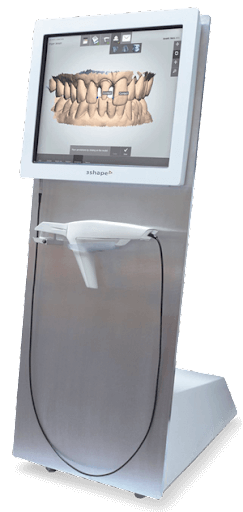
Think of an intraoral scanner as a high-tech camera for the inside of your patient’s mouth. These modern, handheld wands create detailed digital pictures of teeth and gums, completely replacing the old, often messy, and uncomfortable method of taking physical impressions. For patients, this means no more goopy trays that can trigger a gag reflex. For your practice, it means a faster, more accurate, and more efficient way to capture the information you need. This shift from physical molds to digital files streamlines the entire workflow, especially when you send digital cases to a lab equipped to handle them. The result is a better experience for everyone involved and a higher standard of care that modern patients have come to expect.
How the Technology Works
So, how does this little wand create such a detailed map of the mouth? Intraoral scanners use a combination of specialized lenses and advanced sensors to capture thousands of images per second. According to research, they work by shining patterns of light onto the teeth and soft tissues. As the scanner moves, it analyzes how these light patterns distort over the surfaces of the mouth. By piecing this information together, the scanner’s software builds an incredibly precise, three-dimensional digital model in real-time. This process captures every tiny detail and contour, providing the exact data needed to create restorations and appliances with an impeccable fit, which is a cornerstone of successful patient outcomes.
The Digital Scanning Process: A Step-by-Step Guide
The digital scanning process is straightforward and significantly faster than taking traditional impressions. After preparing the patient, you or your assistant simply moves the scanner wand over the teeth. As you scan, a 3D model appears on a connected screen, allowing you to see the digital impression come to life. You can rotate the model and zoom in on specific areas to check for clarity and ensure you’ve captured all the necessary data, including clear margin lines. If you spot an area that needs a touch-up, you can simply rescan that section on the spot. Once you’re satisfied with the scan, the digital file can be sent directly to your dental lab with a single click, making it easy to connect your scanner and start the case.
Common Applications for Intraoral Scanners
One of the greatest strengths of intraoral scanners is their versatility. These devices aren’t just for a single type of procedure; they have become essential tools across multiple disciplines within dentistry. From restorative work and orthodontics to pediatrics and oral surgery, digital scanning enhances precision and improves the patient experience. By integrating a scanner into your practice, you can streamline workflows for a wide range of common treatments. This not only makes your practice more efficient but also demonstrates a commitment to using modern technology to provide the best possible care. Let’s look at some of the most common ways dental professionals are using this technology every day.
Restorative Dentistry
In restorative dentistry, precision is everything. Intraoral scanners are used to capture the exact digital impressions needed for fabricating everything from single crowns to complex bridgework and implant restorations. The high level of accuracy helps ensure that the final product fits perfectly, which means fewer adjustments during the seating appointment and a more comfortable, durable result for your patient. This digital precision is the foundation for creating consistent, high-quality restorations that meet the functional and esthetic demands of modern dentistry.
Crowns, Bridges, and Implants
The detailed 3D models created by intraoral scanners are ideal for designing custom restorations. This accuracy is critical when working on cases that require a perfect fit, such as crowns and bridges that need to align seamlessly with existing teeth. For dental implants, scanners capture the precise position of the implant and the surrounding soft tissue, which is essential for creating abutments and crowns that look and feel natural. Using digital scans for these cases reduces the chance of errors and remakes, saving valuable chair time and lab resources.
Orthodontics
Orthodontics has been transformed by digital scanning technology. The ability to create an accurate digital model of a patient’s arches without traditional impressions is a significant advantage. These scans serve as the starting point for planning treatment, whether for traditional braces or modern clear aligners. The digital models can also be used for treatment simulations, allowing patients to see a preview of their future smile before they even begin. This not only improves case acceptance but also makes the entire process more engaging and interactive for the patient.
Clear Aligners and Retainers
For clear aligner therapy, intraoral scanners are practically a necessity. Orthodontists and dentists use these precise digital scans to design and manufacture the entire series of custom aligners that will gradually move the patient’s teeth. The accuracy of the initial scan ensures that each aligner fits snugly and applies the right amount of pressure to achieve the desired movement. The same technology is used to create perfectly fitting retainers once treatment is complete, helping patients maintain their new smile for years to come. The process is faster, more comfortable, and far more efficient than older methods.
Pediatric Dentistry
Anyone who works with children knows that a calm and comfortable experience is key to a successful appointment. Intraoral scanners are a fantastic tool for pediatric dentistry because they are much less invasive and intimidating than traditional impression trays. According to a study in the National Library of Medicine, the speed and comfort of scanning are particularly beneficial for young patients who may have a strong gag reflex or dental anxiety. A quick scan is over in minutes and feels more like having a picture taken, making dental visits a more positive experience for children, their parents, and your entire clinical team.
Oral Surgery
Intraoral scanners also play a valuable role in planning oral surgery. The technology is excellent for capturing detailed images of the gums and other soft tissues, which is crucial for procedures involving gum treatments or surgical planning. For implant surgery, a digital scan can be combined with CBCT data to create a comprehensive 3D view of the patient’s jawbone, teeth, and soft tissues. This combined data allows for the creation of precise surgical guides, which help ensure that implants are placed in the optimal position for both function and aesthetics, leading to more predictable and successful surgical outcomes.
Create a Better Patient Experience
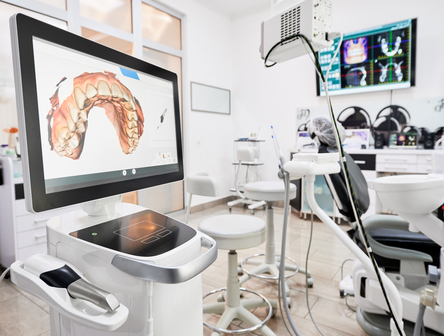 Intraoral scanners are a blessing for patients daunted by traditional impression methods. The non-invasive scanners cut out the need for messy, uncomfortable impression materials. The patient can stay relaxed throughout the scan, making for a much more pleasant appointment. Moreover, these scanners allow for a more interactive visit. Patients can view 3D images of their teeth, giving them a better understanding of their oral health. This active engagement can lead to more cooperative patients who are more invested in their dental care.
Improved Hygiene
Beyond patient comfort, digital scanning significantly enhances the cleanliness of your practice. Traditional impression methods involve multiple materials and tools that can be messy and increase the risk of cross-contamination. Intraoral scanners eliminate this concern entirely. By capturing impressions digitally, you reduce the number of items that need to be handled and sterilized, creating a safer environment for both your patients and your team. This streamlined and more hygienic process is the first step in a modern digital workflow, ensuring that the data sent for fabrication is as clean and precise as the procedure itself. It’s a simple change that reflects a commitment to the highest standards of care and safety in your office.
Get Perfectly Accurate Impressions, Every Time
Accuracy is compulsory in dentistry. Thankfully, the precision of intraoral scanners raises the bar. These devices record thousands of data points in the mouth, resulting in extremely accurate 3D images of the teeth and surrounding tissue. This translates to more consistently fitting restorations and less time spent adjusting them. The scanners can also highlight areas missed during the first scan, ensuring that no gaps are left. This leads to comprehensive and accurate impressions, avoiding rework or remakes due to false impressions.
Streamline Your Dental Practice Workflow
Intraoral scanners can drastically improve the efficiency of a dental office. With no need for physical impressions, the scanning process speeds up significantly. This enables quicker turnaround times for procedures, freeing time for additional appointments and improving clinic efficiency. The dental team can also communicate effectively with the dental lab through digital files. There’s no risk of distortion during transportation, meaning fewer errors and quicker adjustments if necessary.
Real-Time Error Correction
One of the most practical advantages of intraoral scanners is the ability to make corrections on the fly. With traditional impressions, a small bubble or a missed margin means you have to start the entire messy process over again. Digital scanning eliminates this frustration. If a part of the scan is imperfect or incomplete, you can simply delete that specific area and rescan it in seconds, without disrupting the rest of the data. This capability for real-time error correction significantly reduces chair time and material waste, ensuring you capture a perfect impression on the first attempt. It’s a smarter, more forgiving process that respects your time and your patient’s comfort.
Integration with Other Technologies
Intraoral scanners are powerful on their own, but their true potential is realized when they connect with other digital systems. The digital files they produce are the foundation of a seamless, end-to-end workflow. Instead of shipping a physical model, you can securely and instantly send the digital impression to your dental lab. This direct line of communication streamlines the creation of restorations and appliances, leading to faster turnaround times. This integration enhances collaboration, allowing for clearer communication and a more efficient partnership between your practice and lab technicians, ultimately improving the entire patient experience.
CAD/CAM and CBCT Systems
The integration extends to sophisticated design and diagnostic tools. Digital scans are directly compatible with computer-aided design and manufacturing (CAD/CAM) systems, which use the data to precisely design and mill restorations like crowns and bridges. Furthermore, these scans can be merged with data from a cone beam computed tomography (CBCT) scan. This combination provides a comprehensive 3D view of both the patient’s soft tissue and underlying bone structure. This holistic approach is invaluable for complex treatment planning, especially for procedures like dental implants, ensuring every decision is based on a complete and accurate picture of the patient’s anatomy.
Simplify Record-Keeping and Sharing
The shift to digital is a massive advantage for dental offices. Intraoral scanners offer easy digital storage of patient impressions. This eradicates the need for physical storage space, which can often be cumbersome and space-consuming. The digital data is easily accessed and shared securely with other members of the dental team or with dental labs. This makes treatment planning more streamlined and ensures all involved parties have access to the same accurate, up-to-date patient information.
Environmental Benefits
Adopting digital technology in your practice also comes with a significant environmental advantage. Traditional impression materials often create waste that requires special disposal. By switching to digital scans, you eliminate the need for these materials entirely. As noted by Renew Digital, “Intraoral scanners don’t create hazardous waste, which is good for the environment.” This shift not only reduces your practice’s carbon footprint but also simplifies your waste management protocols. It’s a straightforward way to make your office more eco-friendly while simultaneously modernizing your workflow and improving patient care, creating a win-win situation for your practice and the planet.
Challenges and Limitations of Intraoral Scanners
While intraoral scanners offer a host of benefits, it’s also important to acknowledge the potential challenges. Like any major technology adoption, integrating a scanner into your practice involves a few hurdles. These can range from the initial financial outlay and team training to specific technical requirements during use and new data management responsibilities. Understanding these limitations ahead of time allows you to prepare your practice and team for a smooth transition. By anticipating these issues, you can develop strategies to address them effectively, ensuring you can fully capitalize on the advantages of digital dentistry without unexpected disruptions to your workflow or patient care.
Initial Investment and Learning Curve
The most significant hurdle for many practices is the upfront commitment. As one study points out, “The scanners and related digital equipment can be expensive to buy at first.” This initial expenditure is a major consideration for any dental office. Beyond the equipment itself, there’s also a learning curve for the dental team. Staff will need training to become proficient with the new hardware and software to capture accurate scans efficiently. While the long-term benefits in efficiency and accuracy often justify the investment, it’s crucial to budget for both the equipment and the necessary training time to ensure a successful implementation.
Technical Requirements and Limitations
Getting a perfect scan requires meeting certain clinical conditions. One of the key technical limitations is the “need for dry mouth,” as saliva and other fluids can interfere with the scanner’s optical system and compromise the accuracy of the digital impression. This means that maintaining excellent moisture control is even more critical than with traditional methods. Additionally, some scanners may have difficulty capturing deep subgingival margins, which can be a challenge in certain restorative cases. Dentists must be aware of these limitations and adapt their techniques to ensure they capture the complete and accurate data needed for high-quality restorations.
Data Security Considerations
Transitioning to a digital workflow means you are handling sensitive patient information in a new format. This introduces important data security responsibilities. With digital files, “dentists need to be careful to protect patient privacy and keep health records secure.” Your practice must have robust systems in place to safeguard this data against breaches, ensuring compliance with HIPAA and other privacy regulations. This includes using secure networks, encrypting files during transfer, and implementing strict access controls. Partnering with a dental lab that prioritizes digital security is also a key part of maintaining a secure and trustworthy workflow from start to finish.
Choosing the Right Scanner for Your Practice
With a growing number of intraoral scanners on the market, selecting the right one for your practice can feel overwhelming. The best choice depends on your specific needs, budget, and the types of procedures you perform most often. Key factors to evaluate include the scanner’s speed, the accuracy of its captures, and its overall ease of use. You should also consider the device’s physical design; a smaller, lighter wand can improve operator ergonomics and patient comfort. As one industry guide suggests, when you pick a scanner, you should consider things like scanning speed, how easy it is to use, and its size. Taking the time to research and demo different models will help you find a scanner that integrates seamlessly into your practice.
Popular Intraoral Scanner Brands
Several brands have established themselves as leaders in the intraoral scanner market, each offering unique features and benefits. For example, iTero is well-known for its advanced 3D scanners, which are designed to “help dental practices work better, grow their business, and make patients happier.” Other popular brands include 3Shape, with its TRIOS line, and Medit, which has gained a reputation for offering powerful technology at an accessible level. Each system has its own software ecosystem, workflow integrations, and support network, so it’s wise to explore which platform best aligns with your practice’s goals and existing technology.
Connecting Your Scanner to Next Dental Lab
Once you’ve chosen a scanner, the next step is to establish a seamless connection with your dental lab. At Next Dental Lab, we’ve made this process incredibly simple. We accept digital files from all major intraoral scanner brands, ensuring you can send us your cases without any compatibility issues. Our digital workflow is designed for efficiency and precision, allowing us to begin working on your crowns, bridges, or implants almost immediately after you submit the scan. To get started, you can visit our website to find straightforward instructions on how to connect your specific scanner to our lab and start sending digital cases today.
The Future of Digital Impressions
The field of digital dentistry is constantly advancing, and intraoral scanners are at the forefront of this evolution. The technology is continuously improving, with future developments focused on even greater speed, enhanced accuracy, and more user-friendly interfaces. We can expect to see scanners become smaller, more powerful, and integrated with artificial intelligence to automate more of the scanning and design process. As a research article from PMC notes, “Intraoral scanners are expected to become even more accurate, faster, and easier to use.” This ongoing innovation means that the benefits for both dental professionals and patients will only continue to grow, solidifying the role of digital impressions as the standard of care in modern dentistry.
Ready to Upgrade Your Dental Practice?
Reimagine your dental practice by ally with Next Dental Lab. Discover our advanced intraoral scanners, versatile digital scanners, and a wide range of cost-effective dental products. Buckle up for the journey toward future-focused dental care. Let’s leap together. Reach out, and let’s create the dental office your patients deserve.
Frequently Asked Questions
How does using an intraoral scanner actually change the appointment for my patients? The biggest change for your patients is the immediate improvement in comfort. You get to replace the goopy, often unpleasant impression trays with a quick, non-invasive scan using a small wand. It also transforms the appointment into an interactive experience. Patients can see a detailed 3D model of their own teeth on the screen in real-time, which helps them understand their treatment plan and feel more involved in their own care.
Are digital impressions from a scanner as reliable as traditional physical molds? Yes, and in many cases, they are even more accurate. Intraoral scanners capture thousands of data points to create an incredibly precise digital model. This process avoids the common issues associated with physical impressions, such as material shrinkage, air bubbles, or distortion that can happen during shipping. The result is a highly reliable impression that leads to better-fitting crowns, bridges, and appliances from the start.
Besides patient comfort, how does this technology make my practice run more smoothly? Intraoral scanners introduce major efficiencies into your workflow. If you miss a small detail during a scan, you can simply rescan that one spot in seconds instead of redoing the entire impression. Once the scan is complete, you can send the digital file to our lab instantly, which shortens the turnaround time for the final restoration. It also simplifies your record-keeping by eliminating the need to store bulky physical models.
My team is busy. How steep is the learning curve for using an intraoral scanner? While any new technology requires some initial training, modern scanners are designed to be quite intuitive. Most dental teams find they can become proficient with the hardware and software after a few guided sessions and some hands-on practice. Think of it as a short-term investment in training that pays off with significant long-term gains in efficiency and reduced chair time.
If I invest in a scanner, how do I ensure it works with your lab? We make that part easy. Next Dental Lab is fully equipped to handle digital cases and we accept files from all major intraoral scanner brands on the market. Our website has a dedicated section with simple, step-by-step instructions to connect your specific scanner to our system. This ensures a smooth and secure transfer so we can get to work on your case right away.
Key Takeaways
- Create a better patient visit: Replace uncomfortable impression trays with a quick, interactive digital scan. This change helps reduce patient anxiety and gives them a clear 3D view of their teeth, making them more involved in their care.
- Achieve greater accuracy and efficiency: Digital scans provide precise data, leading to better-fitting restorations and fewer chairside adjustments. Correcting errors in real-time and sending files to the lab instantly saves valuable time for your team.
- Use one tool for multiple procedures: Intraoral scanners are not just for crowns and bridges; their versatility makes them a key part of modern restorative work, orthodontics, implant surgery, and pediatric dentistry.